

Sports for Longevity
On athletics as a lifeline and lifestyle for Black women

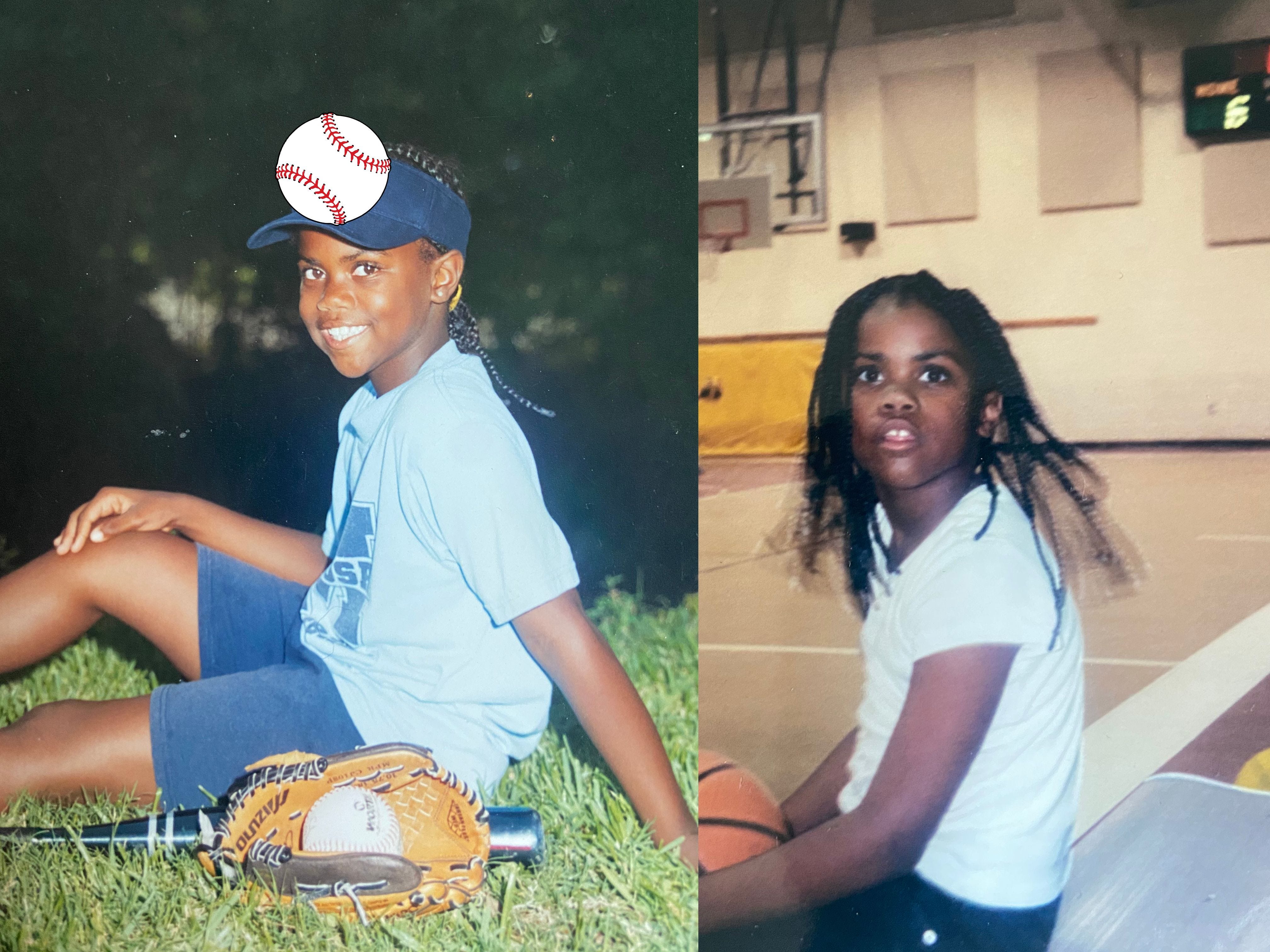
“Play is as necessary to a woman’s sense of well-being as water is to a ship–it is the only way to completely relax and gain strength with which to fight her daily battles for life, love and a spot in the sun.” - Sara L. Humphries, April 16, 1940, Atlanta Daily World
My biggest fear used to be that I’d die young.
In my early 20s, that feeling was stronger than it is now. I weirdly remember standing in the middle of the newsroom, sharing my fear with one of my coworkers. I doubt I’d known him for even a year at that point. This newsletter is about Black women in sports, I promise.
Back then, I didn’t know where this fear came from. I didn’t grow up in a violent environment, although I did have elementary classmates, a summer camp peer, and a high school neighbor pass away from different accidents.
And more recently, I began actively learning my family history. I knew about my great aunt, who passed away when I was eight, at 46. Then I learned the ages of other women in my maternal line who passed at “younger” ages: A great grandmother, 44. A great great aunt, 52. A great great grandmother, 50 or 51.
So I appreciate my mom being 53 more than I understood the importance of her turning 50. My grandma, who just celebrated her 75th birthday, shifts between being surprised and grateful she’s made it to this age. It’s like they’re both miracles.1
This is the place I’m coming from when I see people like Bazoline Usher and Almeta Hill, basketball players, and all around athletes really, who lived to the ages of 106 and 98, respectively. Yes, they lived at a different time, but they valued sports – Bazoline was still playing basketball while in a nursing home. I find inspiration in their stories.
I also find motivation, fuel, and other synonyms in the stories of the other athletes I’ve spoken to that I will feature in this series within a series. The women share how choosing an athletic life has led them to longevity and even survival.
These aren’t all elite athletes. And while there are other factors that may have helped them along the way, sports are central to how they tell their own stories.
Usually when I hear about the benefits of sports at the youth level for girls, I hear about: confidence, empowerment, leadership, mental health – all of which are very important. And as an adult, fitness for women has evolved, but a lot of times I see the benefits focusing mostly on accomplishment and aesthetic. Mental health is added in occasionally, though.
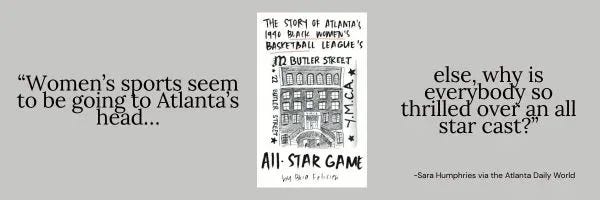
Learning about the Jim Crow Era Black women’s basketball community along with my family history and turning 33 this year perhaps created a perfect storm to think about mental and physical longevity more and more. Here’s a quote I read this year from Sara Humphries in her 1940 Women’s Sports Column in the Atlanta Daily World:
“ANYTHING WRONG? With you, I mean? Are you getting the most out of life? Do you feel that it’s great to be alive? Stop taking those little liver pills and headache tablets and come on in… ‘the water’s fine!’ In fact, the water is enchanting.
“Better come to the ‘Y’ and get a NEW prescription to happiness. The fee? O, yes… one pair of shorts (any color you like), one pair of socks, one pair of low comfortable shoes (soft soles). Follow your prescription religiously and you’ll reap 24 hours of joy daily.”
I mean, how often do adults have space to or feel like they can just “play” as Humphries mentioned in the opening quote. There’s so many modern opportunities and obstacles to it. I wrote in my journal this summer about why sports still matters to me, given my disillusion with mainstream women’s sports right now.
Cardio helps with emotional regulation, strength training makes me feel like a boss. Both help me focus, and yoga and meditation ground me. Mobility makes me feel -> takes away some of the fear that I’ll die young. And this has been confirmed in interviews with women in their 70s who move better than (other) women I knew that are the same age.
That’s why who gets to work out, for reasons like time, money, or simply not even knowing how, are important to me. Another reason lessons from athletes are important and the stories of those beyond the elite are also important. Who could use that mental refuge, chance to empower themselves, give themselves back more “life in their years.” Who needs to see that they can benefit from sports too.
I realized while writing the first edition of this series about What Black Women Athletes Taught Me that I needed to level set and let you know where I was coming from.
I’m thinking about how history teaches us lessons, can help inform better decisions in the present and help us shape better futures, even at the individual and personal levels.
I’m thinking about how I value sports – at every level possible – for Black women and girls, and ultimately sports for all, for longevity and quality of life reasons, and every other reason that’s already been discussed.
I’m thinking about how I want the love of movement to be contagious. I want people to move like they matter. Because to me, they do.
In the next newsletter, we’ll finally get to the stories that have inspired this thinking.
If you want to support my work, please considering purchasing a zine, buying me a coffee, or becoming a paid subscriber here on Substack.
Feel free to listen to the audio story I made based on an oral history with my grandmother.